Education Systems and Policy
African Climate Education Initiative
Achieva Africa’s African Climate Education Initiative connects climate learning with action on health and food security. Our modular model is designed for adaptation across Sub-Saharan Africa. Preparing Youth and Leaders Across Africa for Climate Action
 Bright Chimezie Irem5 Min Read
Table of Contents
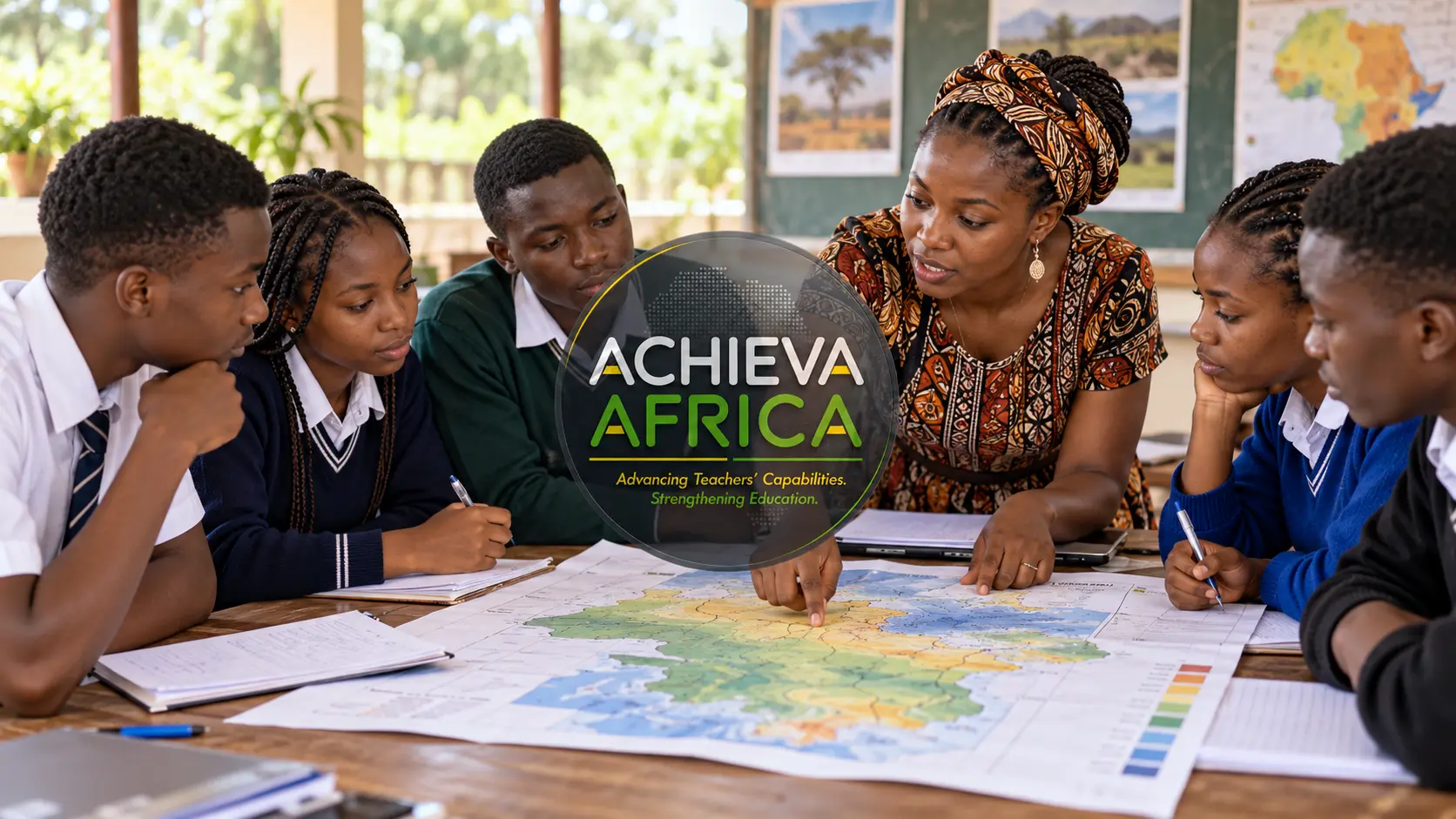
This Achieva Africa’s African-led, flexible initiative links climate education with action on health and food security...and Preparing Youth and Leaders Across Africa for Climate Action
By Bright Chimezie Irem | Achieva Africa
Climate education belongs in development planning.
Climate change is changing how people learn, stay healthy, grow food, and plan their lives across Africa. The World Meteorological Organization (WMO) says that extreme weather and climate events affect agriculture, food, and water security. Its 2024 State of the Climate in Africa report also highlights impacts on health and education across the continent. Education helps people understand climate information, local risks, and how to respond. Still, education cannot take the place of health services, infrastructure, agricultural support, public policy, or finance. Instead, it gives people the knowledge and skills to use these systems and make better choices.
There is a strong case for climate education, but investment and policy are still behind. In 2024, the World Bank released Choosing Our Future: Education for Climate Action. The report showed that in 2020, education got less than 1.3 percent of climate-related official development assistance (ODA), which is government aid for development. Fewer than one in three Nationally Determined Contributions (NDCs) included climate education. Countries submit NDCs as part of the Paris Agreement. These numbers are global and historical, not specific to Africa. Overall, they show that climate education is still not a big part of climate finance or national climate plans.
African policy provides a regional basis.
African policy already sees this link between climate change and climate education. The African Union’s Climate Change and Resilient Development Strategy and Action Plan, which runs from 2022 to 2032, calls for climate literacy in both formal and informal education. Climate literacy means having the knowledge and skills to understand climate change and respond to its effects. The strategy also asks countries to include climate literacy in areas like health and food systems. It also recognizes that each country has its own situation and will choose its own response. Achieva Africa created this initiative to support that goal. Countries can adjust the work to fit their education systems and needs.
An African-led model for country ownership
Achieva Africa started the African Climate Education Initiative, led by Chinonyelum Tabansi and Bright Chimezie Irem. We completed a successful pilot and are preparing to expand across Sub-Saharan Africa. Our team leads this work from within Africa. Our flexible model allows countries to adjust program parts to fit their curricula, languages, climate risks, and education needs.
The program looks at whether learners and leaders can use what they learn to make good decisions about a changing climate. Achieva Africa links climate knowledge with education and community action. The model combines Africa-focused learning resources, educator training, and hands-on learning. It involves people who shape curricula, climate policy, and local responses.
Regional cooperation can support national adaptation.
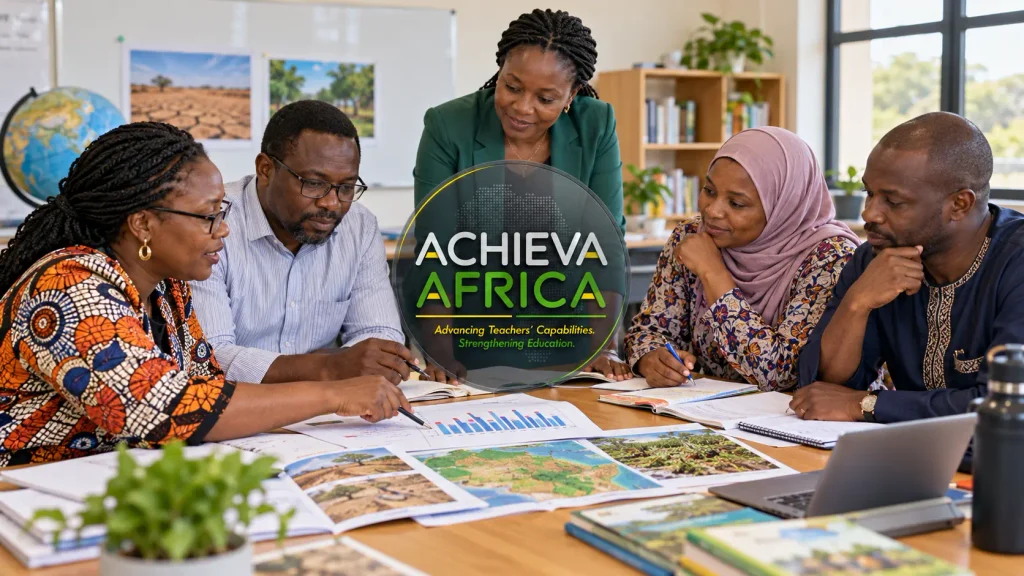
A flexible approach gives countries a way to work together while keeping control over their own decisions. Ministries and curriculum leaders can choose how learning parts fit local standards. Regional cooperation helps countries share reviewed resources and experiences. Partnerships between countries can show what works elsewhere and what needs to change. Each country keeps control over its curriculum and how it is used. Achieva Africa is leading efforts to partner and collaborate with African regional groups and national ministries, as well as through country-to-country work. These are future ways to work together. They can help regional learning through country-led action.
Health and food security are practical pathways.
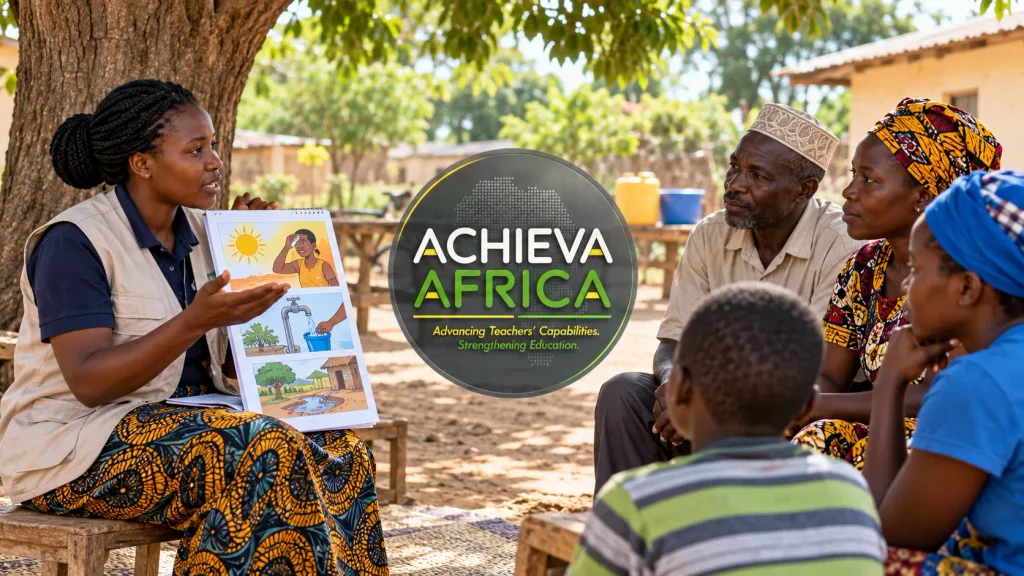
The initiative links climate education with health because climate risks affect the things that keep people healthy. The World Health Organization’s Regional Office for Africa points to social and environmental factors like clean air, safe water, enough food, and safe shelter. The office also says that climate change affects these factors. Learning about climate can help young people and leaders see these connections. They can then use climate information to guide decisions in their own areas.
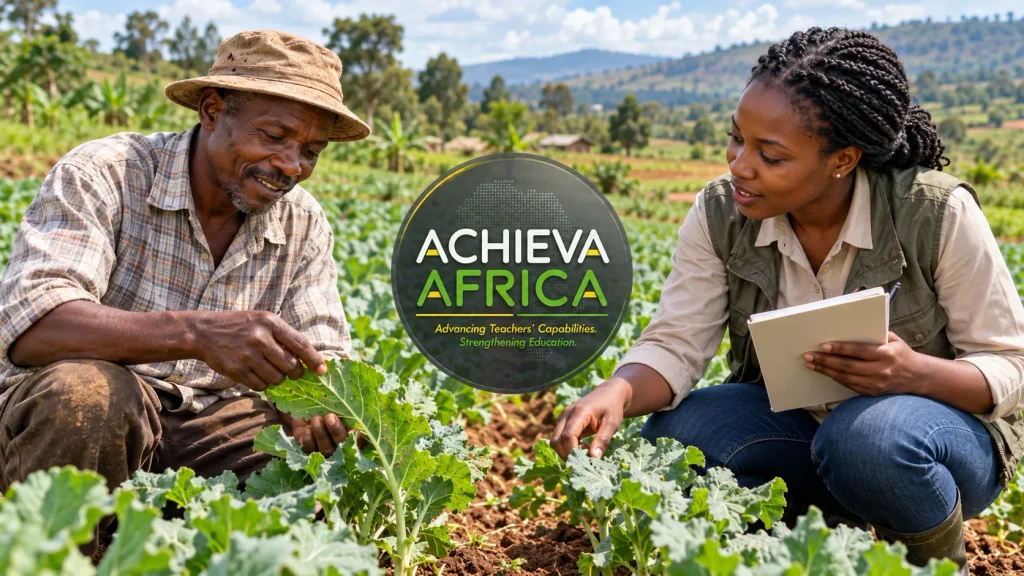
Food security is also a key focus. Learning about climate helps people see how changing conditions affect food systems. It also shows why local knowledge and reliable climate information are important. This matters to those who produce, distribute, and rely on food. Education supports this work along with agriculture, public health, and social protection. It helps people spot climate-related risks and take part in responses led by the right institutions. These local actions also link to bigger goals for global health and food security.
A partnership opportunity for the next phase
The next step is to build partnerships that help adaptation in all 55 African countries. This work will support teacher development, Africa-focused learning resources, practical use, and tracking learning progress.
Build support around country modules.
Education and youth ministries should help create country plans with clear budgets. Funding should match these plans. Before starting, partners should agree on roles and how to measure progress. Ministries and curriculum bodies can guide how each module fits national goals. At the regional level, African institutions can support policy talks and peer learning. At the same time, universities, researchers, teachers, and practitioners can review evidence and assess whether resources work in practice/real life as proposed in theory. Development partners can fund country modules and share technical know-how.
Measure learning and shape the next country modules.
We will measure our work by what educators and learners can use. Countries can agree in advance on how to measure climate knowledge, teacher readiness, and how learners apply what they learn. They can also check if materials fit local curricula. Public reports can show what was delivered, what was learned, and what needs to change next time. This way, investment stays focused on real results and learning, not just on how many people are reached.
Achieva Africa is leading this initiative and building partnerships with African institutions, ministries, development partners, and climate education funders to develop the next country modules. First, partners should agree on where climate learning can support national education and climate goals. Then, they can set roles, costs, and progress-measurement methods. The African Climate Education Initiative is ready to expand through partnerships that respect country leadership. This work links learning with action on health, food security, and climate resilience.
Join the Conversation
Comments are reviewed before appearing publicly.
Working Together
Join The Conversation
Share a thoughtful perspective. Comments are reviewed before appearing publicly.